
Why Corporate Event Planning In Mumbai Matters More Than Ever
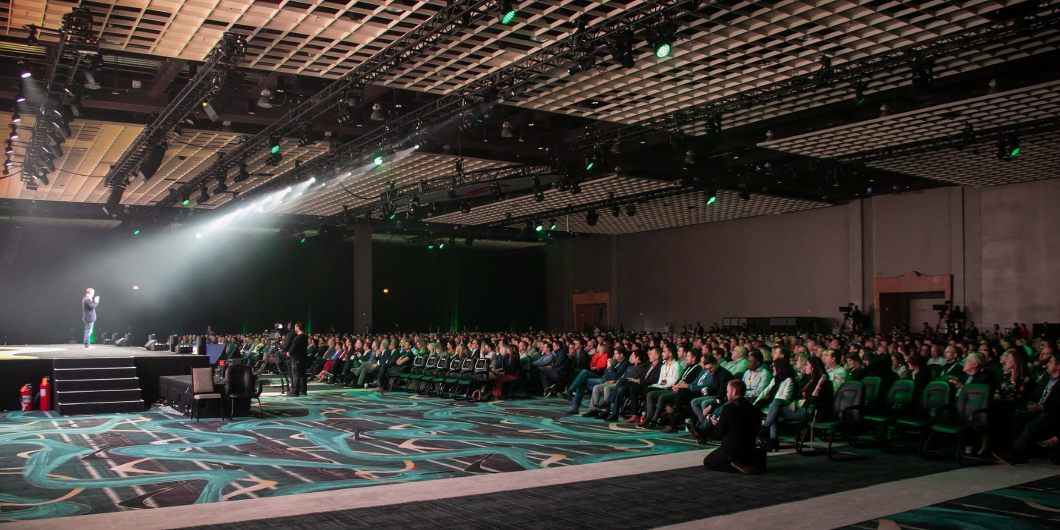
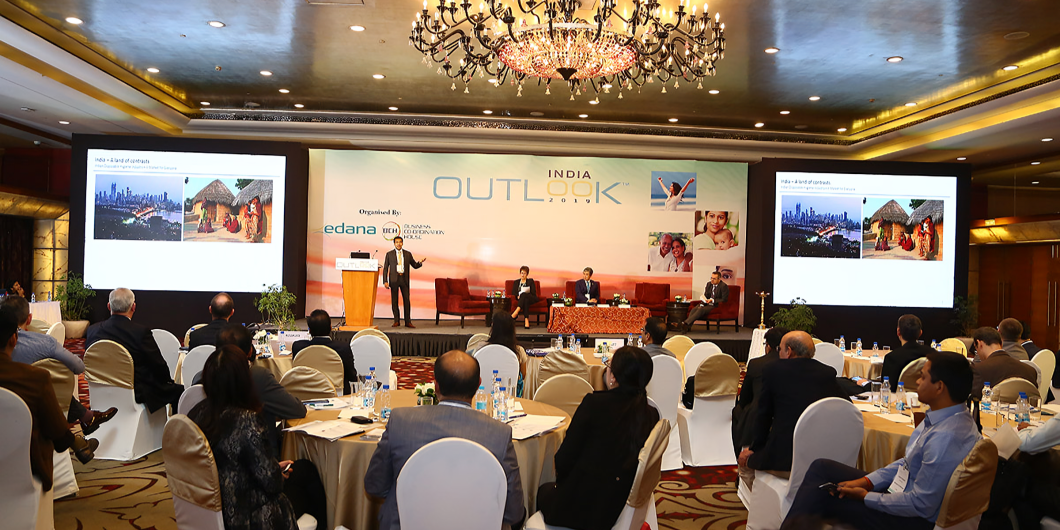
Mumbai is India’s commercial powerhouse, home to Fortune 500 companies, multinational corporations, unicorn startups, financial institutions, media houses, and global brands. Every year, thousands of corporate events in Mumbai—from product launches and leadership summits to annual conferences, dealer meets, employee engagement programs, award nights, and MICE events—shape business relationships, strengthen company culture, and create unforgettable brand experiences.
The Indian event management industry has witnessed remarkable growth over the past decade, with the market estimated to exceed ₹1 lakh crore. Corporate events contribute significantly to this growth as organizations increasingly invest in experiential marketing, business networking, employee engagement, and premium event production. Today’s businesses no longer view events as expenses—they view them as strategic investments that improve brand visibility, generate leads, motivate employees, and build long-term customer relationships.
With evolving audience expectations, corporate event planning in Mumbai has become far more sophisticated than simply booking a venue and arranging refreshments. Attendees expect immersive experiences, interactive technology, grand stage productions, seamless logistics, and professionally managed event execution.
As someone who has spent years executing corporate events across industries, I have learned one simple truth:
Successful corporate events aren’t built on creativity alone—they are built on planning, precision, teamwork, and flawless execution.
This guide shares the complete framework that professional corporate event management companies in Mumbaifollow to transform ideas into extraordinary business experiences.
Why Businesses Are Investing More In Corporate Events
The workplace has changed dramatically over the last few years. Hybrid work models, distributed teams, changing customer expectations, and increasing competition have made face-to-face interactions more valuable than ever.
Organizations today use corporate event management for multiple business objectives:
- Product launches
- Leadership summits
- Annual Day celebrations
- Employee engagement programs
- Dealer and distributor meets
- Client appreciation events
- Conferences and seminars
- Award ceremonies
- Sales kick-offs
- Brand activations
- Networking events
Modern businesses understand that people remember experiences far longer than presentations.
An engaging corporate event improves:
- Employee motivation
- Client retention
- Brand recall
- Customer engagement
- Internal communication
- Media visibility
- Business networking
- Lead generation
This shift has significantly increased demand for experienced event management companies in Mumbai that can manage everything from concept creation to post-event analysis.
Corporate Event Planning In Mumbai Starts With A Clear Objective
Every successful event begins with a question:
“Why are we organizing this event?”
Without a clearly defined objective, even a multi-crore budget can result in an event that lacks direction.
Professional corporate event planning begins by identifying measurable goals such as:
Business Objectives
- Generate qualified business leads
- Launch a new product or service
- Strengthen dealer relationships
- Increase media coverage
- Celebrate company milestones
- Recognize employee achievements
- Build stronger customer relationships
- Improve employer branding
Once objectives are established, every decision—from venue selection to stage production, speaker lineup, entertainment, branding, and audience engagement—aligns with those goals.
This strategic approach ensures every investment contributes to business outcomes rather than simply creating an impressive spectacle.
Understanding Your Audience Before Planning The Event
One of the most overlooked aspects of business event planning is understanding who will attend.
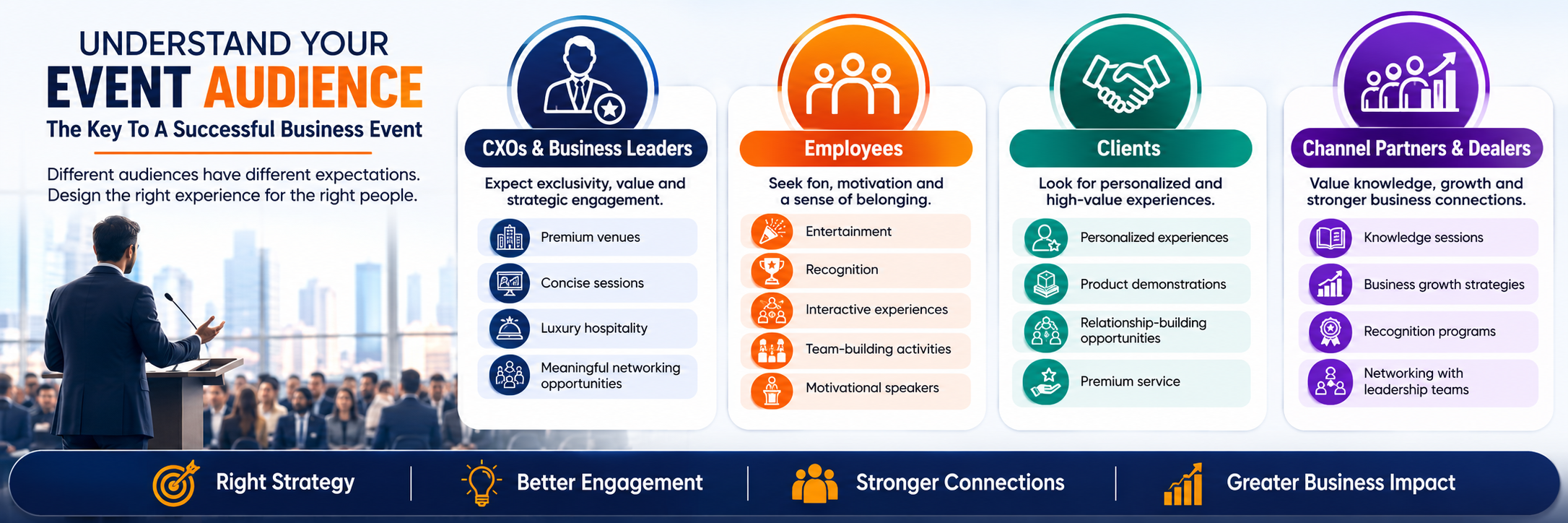
Different audiences require completely different event experiences.
For example:
CXOs & Business Leaders
Prefer premium venues, concise sessions, luxury hospitality, and meaningful networking opportunities.
Employees
Look for entertainment, recognition, interactive experiences, team-building activities, and motivational speakers.
Clients
Expect personalized experiences, product demonstrations, relationship-building opportunities, and premium service.
Channel Partners & Dealers
Value knowledge sessions, business growth strategies, recognition programs, and networking with leadership teams.
Understanding audience expectations helps shape the event’s tone, production quality, agenda, and communication strategy.
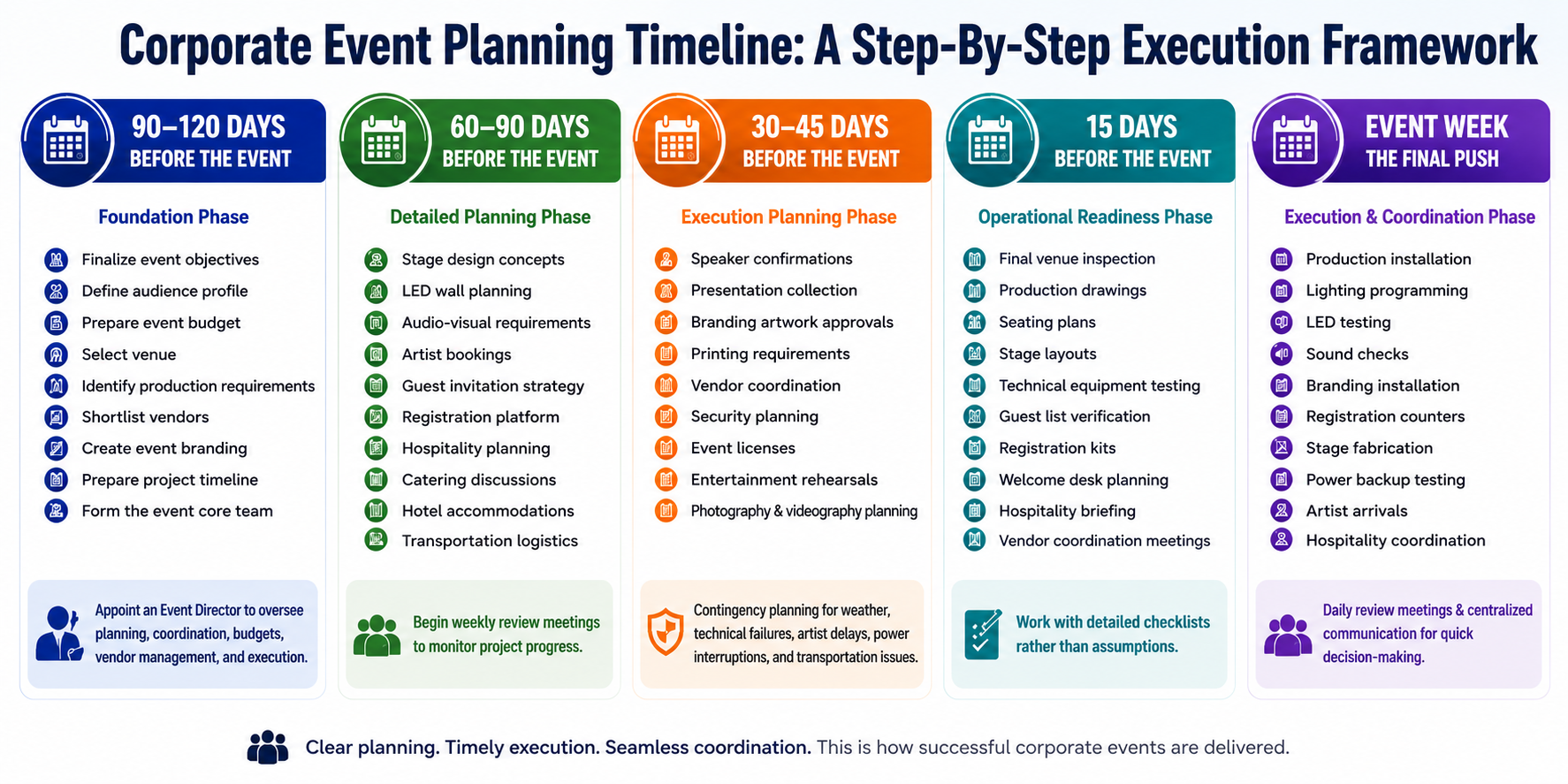
Corporate Event Planning Timeline: A Step-By-Step Execution Framework
One of the defining characteristics of a successful corporate event management company is its ability to work backwards from the event date.
Every milestone is planned with clear deadlines, ensuring that nothing is left until the last minute.
90–120 Days Before the Event
This is the foundation phase.
Key activities include:
- Finalize event objectives
- Define audience profile
- Prepare event budget
- Select venue
- Identify production requirements
- Shortlist vendors
- Create event branding
- Prepare project timeline
- Form the event core team
At this stage, appoint an Event Director who will oversee planning, coordination, budgets, vendor management, and execution.
60–90 Days Before
Planning becomes more detailed.
This phase focuses on:
- Stage design concepts
- LED wall planning
- Audio-visual requirements
- Artist bookings
- Guest invitation strategy
- Registration platform
- Hospitality planning
- Catering discussions
- Hotel accommodations
- Transportation logistics
Professional event planners also begin weekly review meetings to monitor project progress.
30–45 Days Before
Execution planning accelerates.
Tasks include:
- Speaker confirmations
- Presentation collection
- Branding artwork approvals
- Printing requirements
- Vendor coordination
- Security planning
- Event licenses
- Entertainment rehearsals
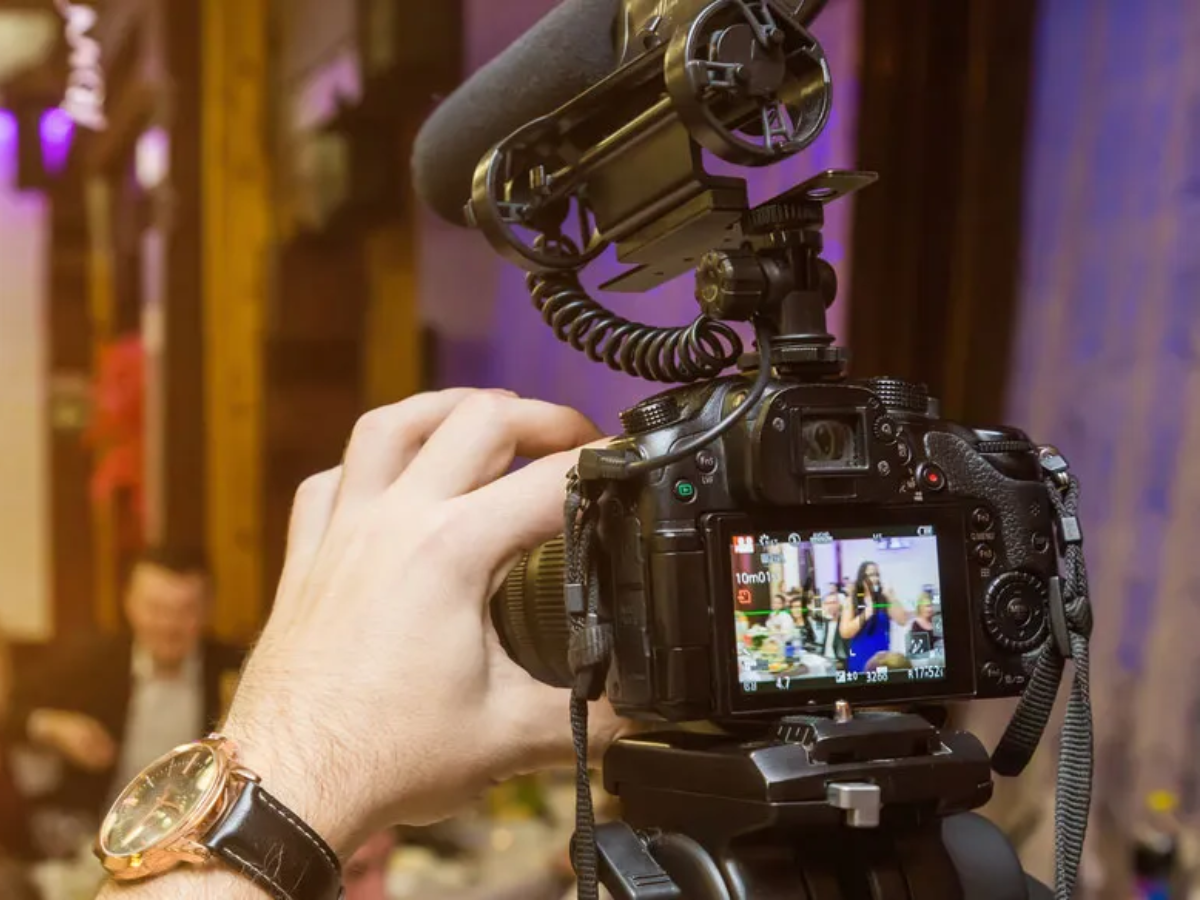
- Photography and videography planning
This is also the stage where contingency planning begins.
Experienced event management companies in Mumbai prepare backup plans for weather disruptions, technical failures, artist delays, power interruptions, and transportation issues.
15 Days Before
Attention shifts to operational readiness.
Activities include:
- Final venue inspection
- Production drawings
- Seating plans
- Stage layouts
- Technical equipment testing
- Guest list verification
- Registration kits
- Welcome desk planning
- Hospitality briefing
- Vendor coordination meetings
Every department should now work with detailed checklists rather than assumptions.
Event Week
The final week determines the success of months of planning.
Daily review meetings become essential.
Focus areas include:
- Production installation
- Lighting programming
- LED testing
- Sound checks
- Branding installation
- Registration counters
- Stage fabrication
- Power backup testing
- Artist arrivals
- Hospitality coordination
Communication among all teams should be centralized through a dedicated command structure to ensure quick decision-making.
Corporate Event Budget Planning: Spend Where It Creates Maximum Impact
One of the biggest myths surrounding corporate event planning in Mumbai is that larger budgets automatically lead to better events. In reality, successful events are built on smart budget allocation rather than excessive spending.
A well-planned corporate event budget should typically account for:
- Venue and infrastructure
- Stage production and fabrication
- LED walls and display technology
- Lighting design
- Professional sound systems
- Event branding
- Guest registration
- Hospitality and catering
- Entertainment
- Photography and cinematic videography
- Security and safety
- Logistics and transportation
- Event technology
- Contingency reserves
Rather than investing disproportionately in a single element, experienced planners distribute budgets across all touchpoints to create a cohesive guest experience.
The best corporate events are remembered not because they were the most expensive, but because every element worked together seamlessly—from the first invitation to the final applause.
0 Comments